
As the global manufacturing sector accelerates its shift toward intelligence, green development, and efficiency, the door and window automation machinery industry is poised for robust, sustained growth in the coming decade. Driven by technological innovation, increasing demand for energy-efficient building solutions, and the global push for labor optimization, the industry is evolving from a supporting segment to a core driver of the global door and window manufacturing transformation. This news explores the key trends, growth drivers, and future opportunities shaping the global door and window automation machinery industry, offering insights for manufacturers, investors, and industry stakeholders worldwide.
Market Expansion: Steady Growth Fueled by Global Demand
The global door and window automation machinery market is experiencing consistent expansion, with strong momentum across all regions. According to industry research, the global market size reached $188.92 billion in 2023 and is projected to grow to $294.27 billion by 2031, maintaining a compound annual growth rate (CAGR) of 5.7%. This growth is driven by multiple factors: the rapid urbanization in emerging economies, the renovation of existing buildings in developed regions, and the rising adoption of automated production lines to address labor shortages—a challenge plaguing the manufacturing industry globally.
Regionally, the Asia-Pacific region leads the market with a CAGR of 7.3%, supported by booming construction activities in countries like China, India, and Southeast Asian nations, where urbanization rates continue to rise and demand for efficient, high-quality door and window production is surging. North America and Europe, as mature markets, are witnessing steady growth driven by the replacement of outdated equipment and the adoption of green, intelligent automation solutions to meet strict energy efficiency standards. Meanwhile, emerging markets in Latin America and Africa are emerging as new growth engines, with a CAGR of 5.9% and 6.2% respectively, as local manufacturers increasingly invest in automation to enhance competitiveness in the global market.
Technological Innovation: The Core Driver of Industry Transformation
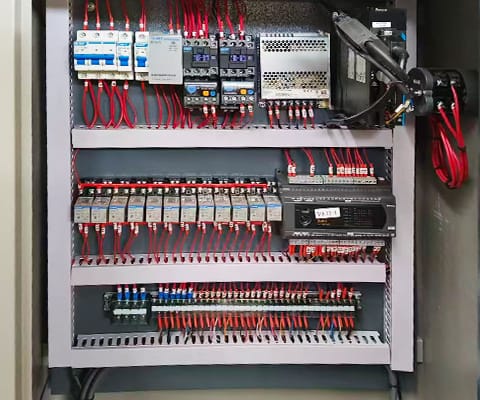
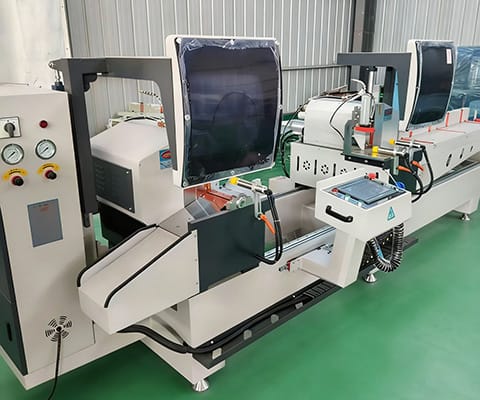
Technological advancement is reshaping the door and window automation machinery industry, unlocking new possibilities for efficiency, precision, and functionality. The integration of artificial intelligence (AI), Internet of Things (IoT), and digital twin technology is becoming increasingly prevalent, transforming traditional automation into “smart automation” that offers real-time monitoring, predictive maintenance, and adaptive production capabilities. For instance, AI-powered vision systems enable machinery to automatically detect and correct processing errors, reducing non-conformity rates by over 50%, while IoT integration allows manufacturers to remotely monitor equipment performance, minimize downtime, and optimize maintenance schedules.
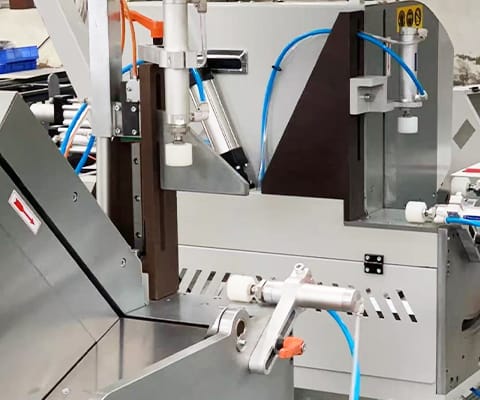
Another key technological trend is the development of modular, flexible automation solutions. Unlike traditional fixed production lines, modern modular machinery can be quickly reconfigured to adapt to different product specifications, supporting both large-scale mass production and small-batch customized orders—an essential feature as global market demand shifts toward personalized, niche products. Additionally, advancements in CNC control technology and servo positioning systems have improved processing precision to ±0.02mm, ensuring that door and window products meet international high-end standards for airtightness, sound insulation, and energy efficiency.
Green Development: Aligning with Global Carbon Neutrality Goals
The global push for carbon neutrality and sustainable development is driving a significant shift toward green automation in the door and window machinery industry. Manufacturers are increasingly prioritizing energy-saving designs, using eco-friendly materials, and optimizing production processes to reduce carbon emissions and resource waste. High-quality automation machinery now incorporates energy-saving motors, waste heat recovery systems, and intelligent energy management, enabling a 40% reduction in energy consumption compared to traditional equipment.
Moreover, the adoption of green materials such as aerospace aluminum and carbon fiber composites has become more widespread, reducing the environmental impact of production while enhancing product durability. For example, the use of these materials has increased by 50% since 2020, lowering overall product weight and energy consumption by 30%. As global green building standards continue to tighten, the demand for eco-friendly, energy-efficient automation machinery will further increase, creating new growth opportunities for industry players that prioritize sustainability.
Future Opportunities: Niche Segments and Regional Expansion
Looking ahead, the door and window automation machinery industry will see significant growth in niche segments, including smart door and window production equipment, energy-saving processing lines, and customized automation solutions for special scenarios (such as medical, commercial, and high-end residential buildings). The smart door and window market, in particular, is growing rapidly, with AI-powered systems that automatically adjust based on environmental conditions—such as temperature, humidity, and light—gaining traction globally. This segment is projected to grow at a CAGR of over 20% through 2030, driven by the rising demand for smart homes and intelligent buildings.
Additionally, regional expansion opportunities abound, especially in emerging markets. As urbanization accelerates in Southeast Asia, Latin America, and Africa, local manufacturers are seeking to upgrade their production capabilities to meet growing domestic demand and compete in global markets. This presents a significant opportunity for automation machinery suppliers to expand their global footprint by offering cost-effective, localized solutions that adapt to regional production needs and compliance standards.
In conclusion, the global door and window automation machinery industry is entering a golden period of growth, driven by market expansion, technological innovation, and green development. As manufacturers worldwide prioritize efficiency, quality, and sustainability, the demand for high-performance, intelligent, and eco-friendly automation machinery will continue to rise. For industry stakeholders, seizing the opportunities presented by technological advancement and regional expansion will be key to achieving long-term success in this dynamic and growing market.